
Treat Pavements Right
Every pavement has a different history. Construction, materials, past repairs, traffic, and use all shape what it needs next. Road Preservation Partners helps clients choose the right treatment to address current conditions and extend pavement life.
Pavement Preservation Curve
The Right Treatment at the Right Time
Use the curve to see which service or material fits the pavement’s condition and when to act.
New Pavement Protection
Early Surface Preservation
Crack & Joint Protection
Surface Treatment
Surface Renewal
Repair & Maintenance
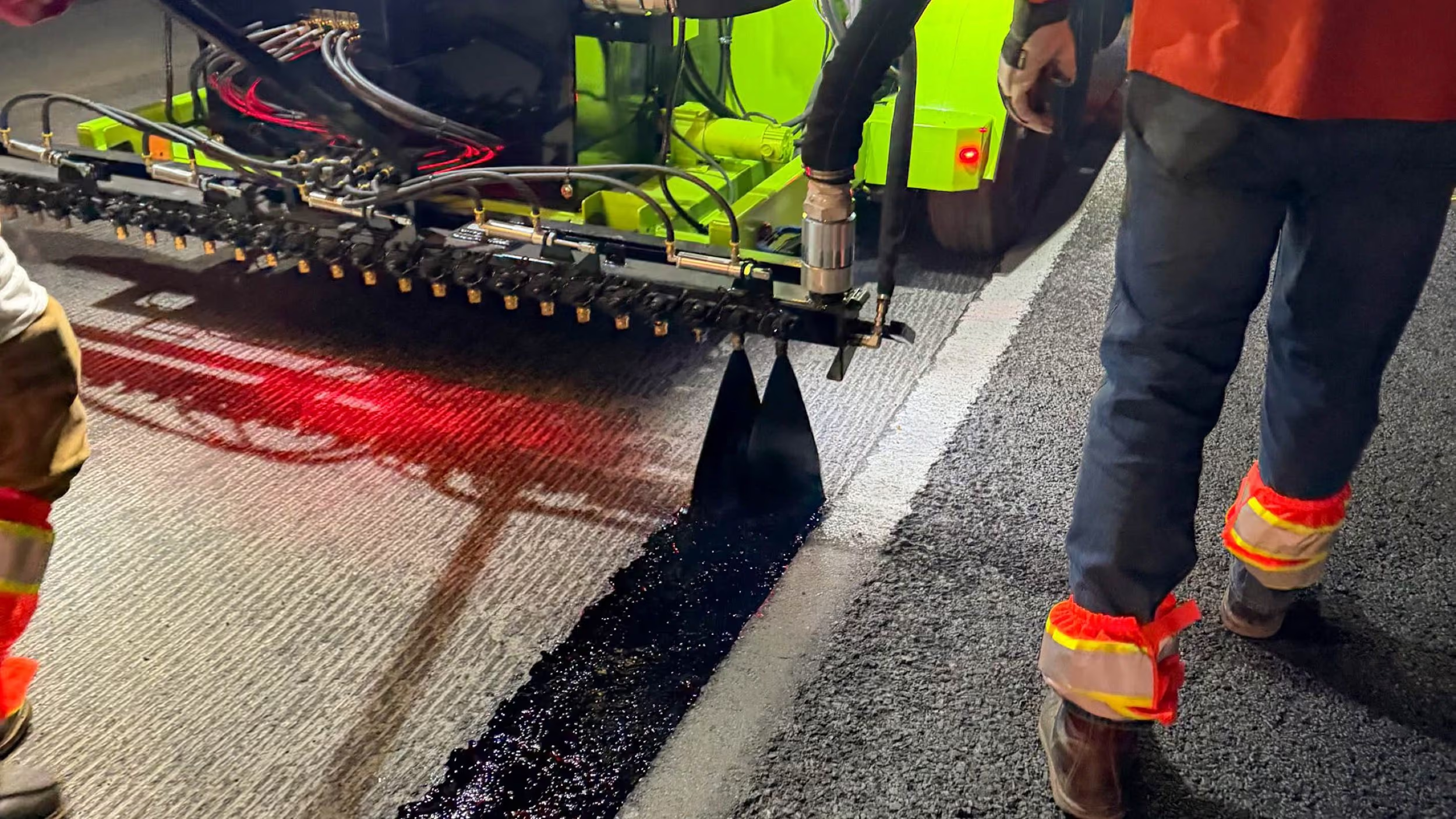
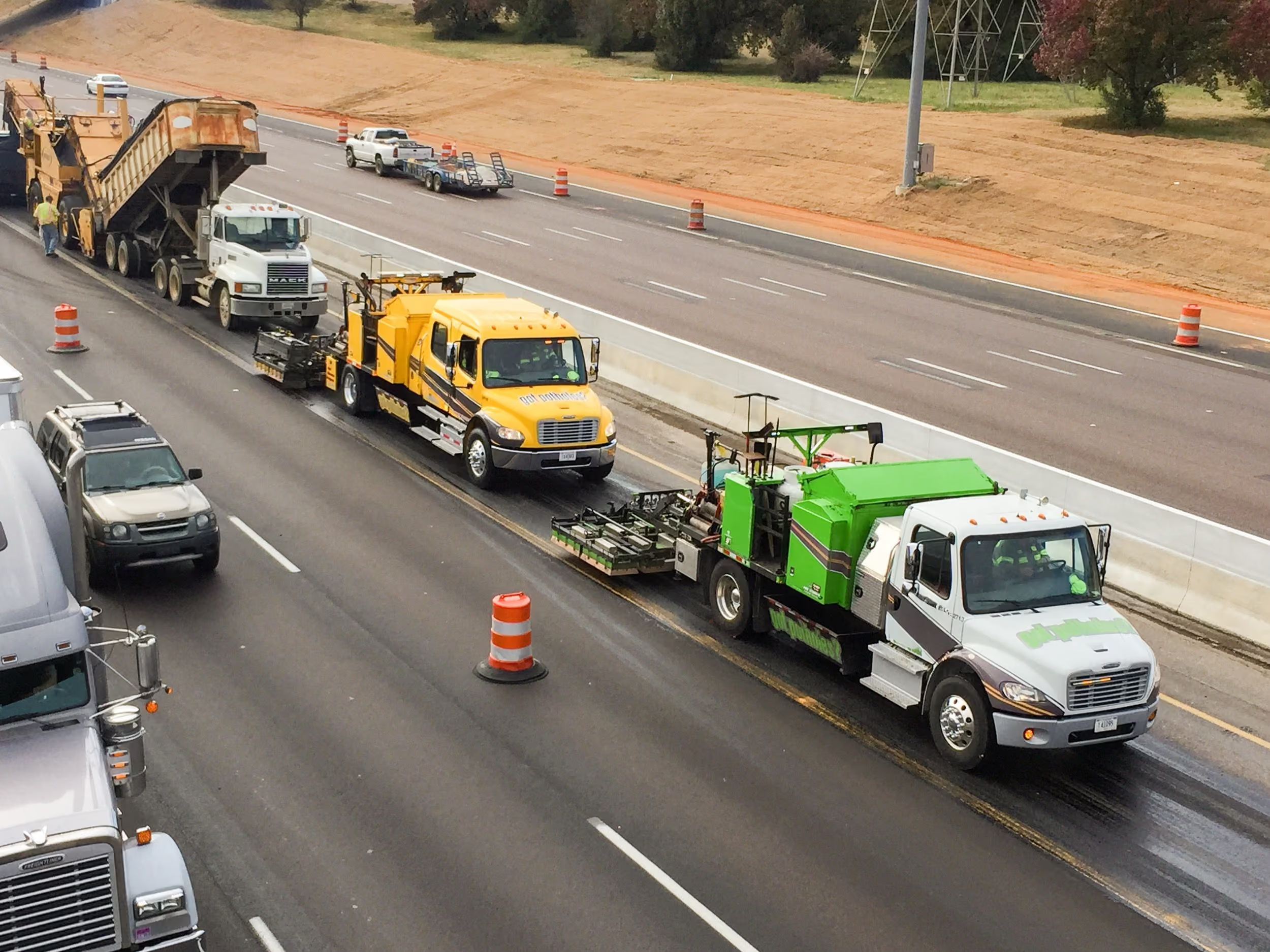
VRAM
Void Reducing Asphalt Membrane, or VRAM, is applied in a concentrated band before a new asphalt surface is placed. As the hot mix is paved and compacted, the membrane moves into the longitudinal joint to help fill connected voids and reduce pathways for air and water.
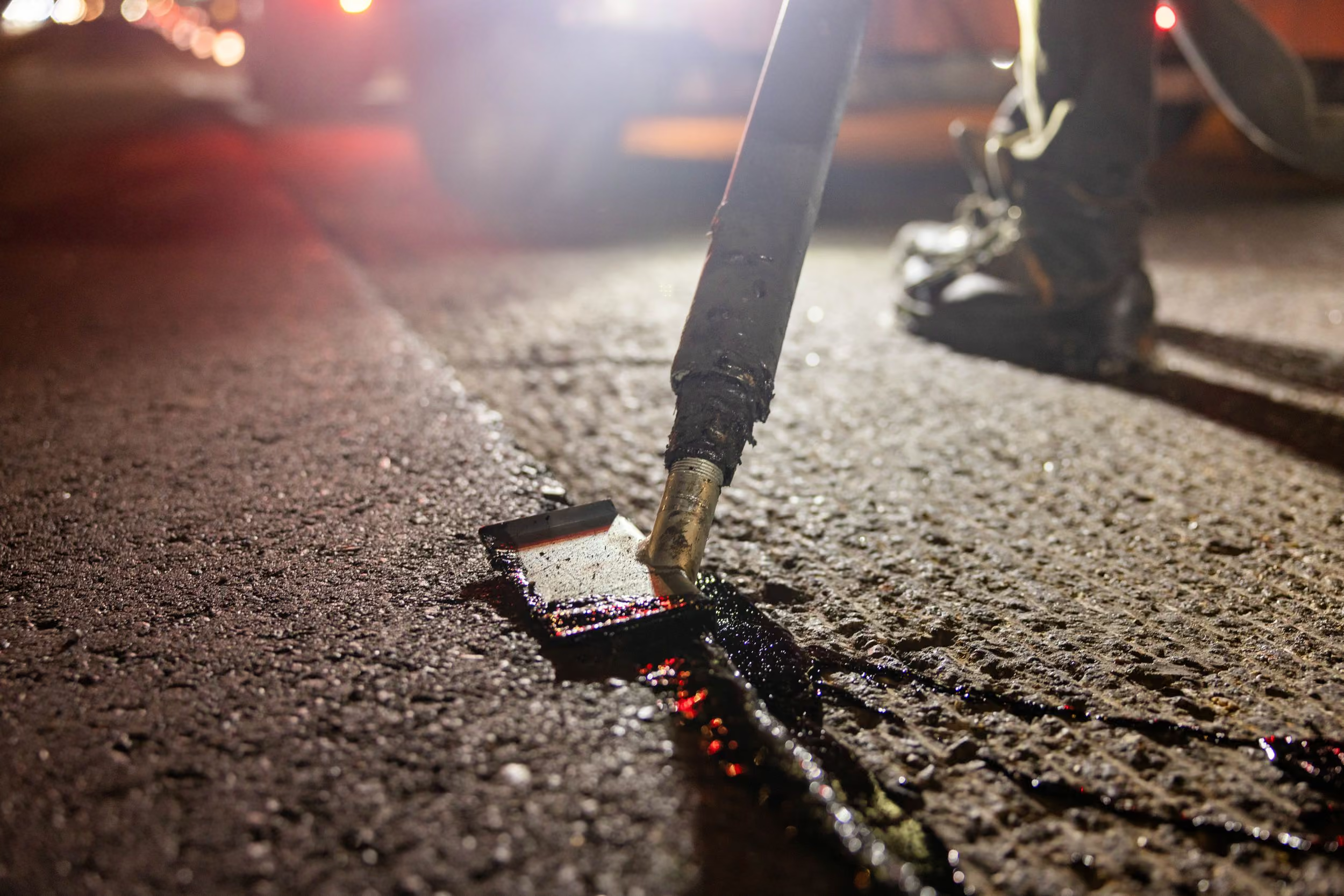
Joint Sealing
Pavement joint sealing protects pavement construction joints from opening up over time, decreasing water intrusion. During pavement construction, joint faces are sealed with hot-applied material, reducing the need for longitudinal crack sealing or mastics later on.
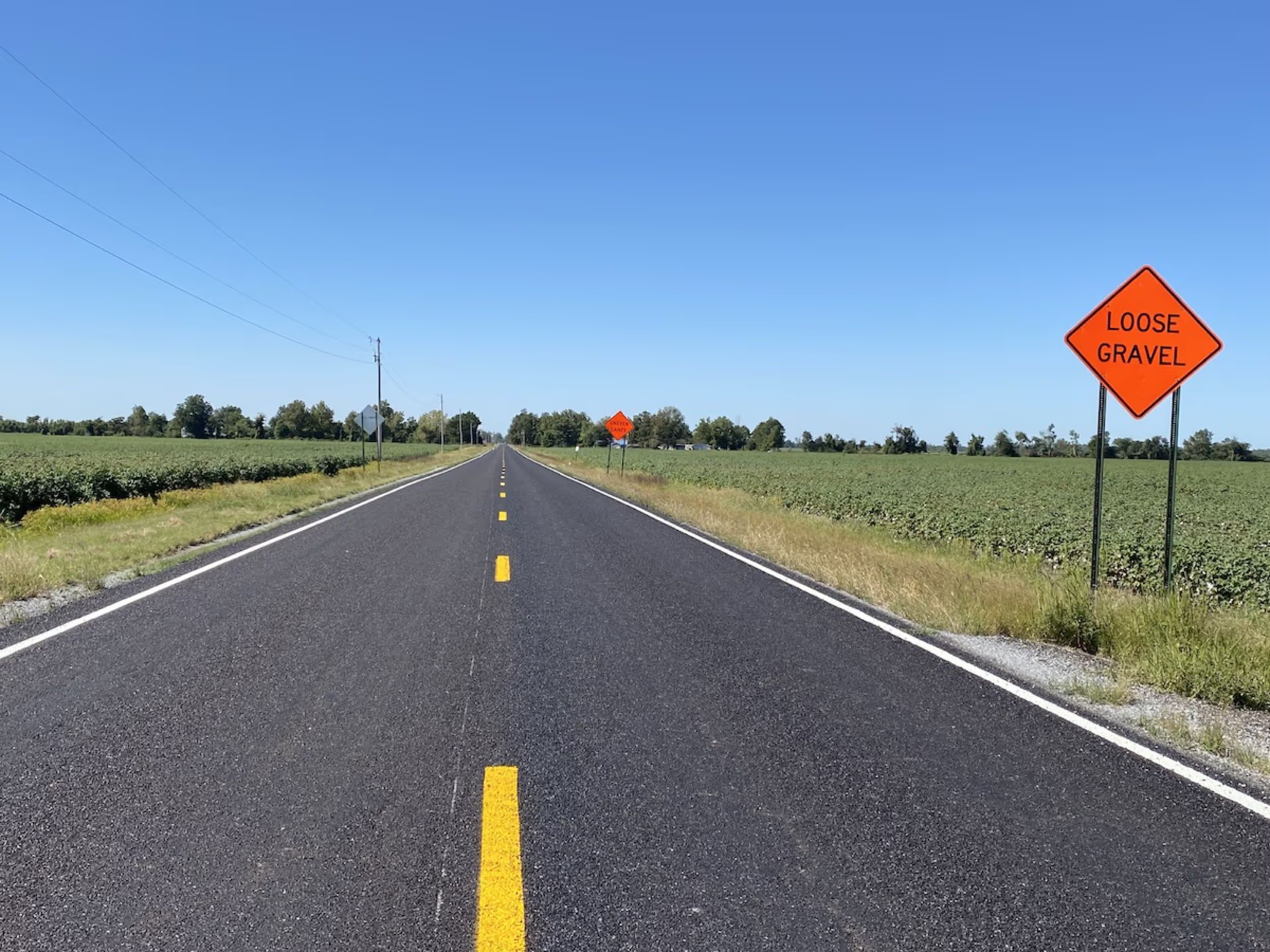
Fog Sealing
Asphalt fog sealing is a light, spray-applied emulsion treatment for structurally sound pavement in the early stages of aging. It helps seal small surface voids, slow oxidation, reduce minor raveling, and limit water intrusion.
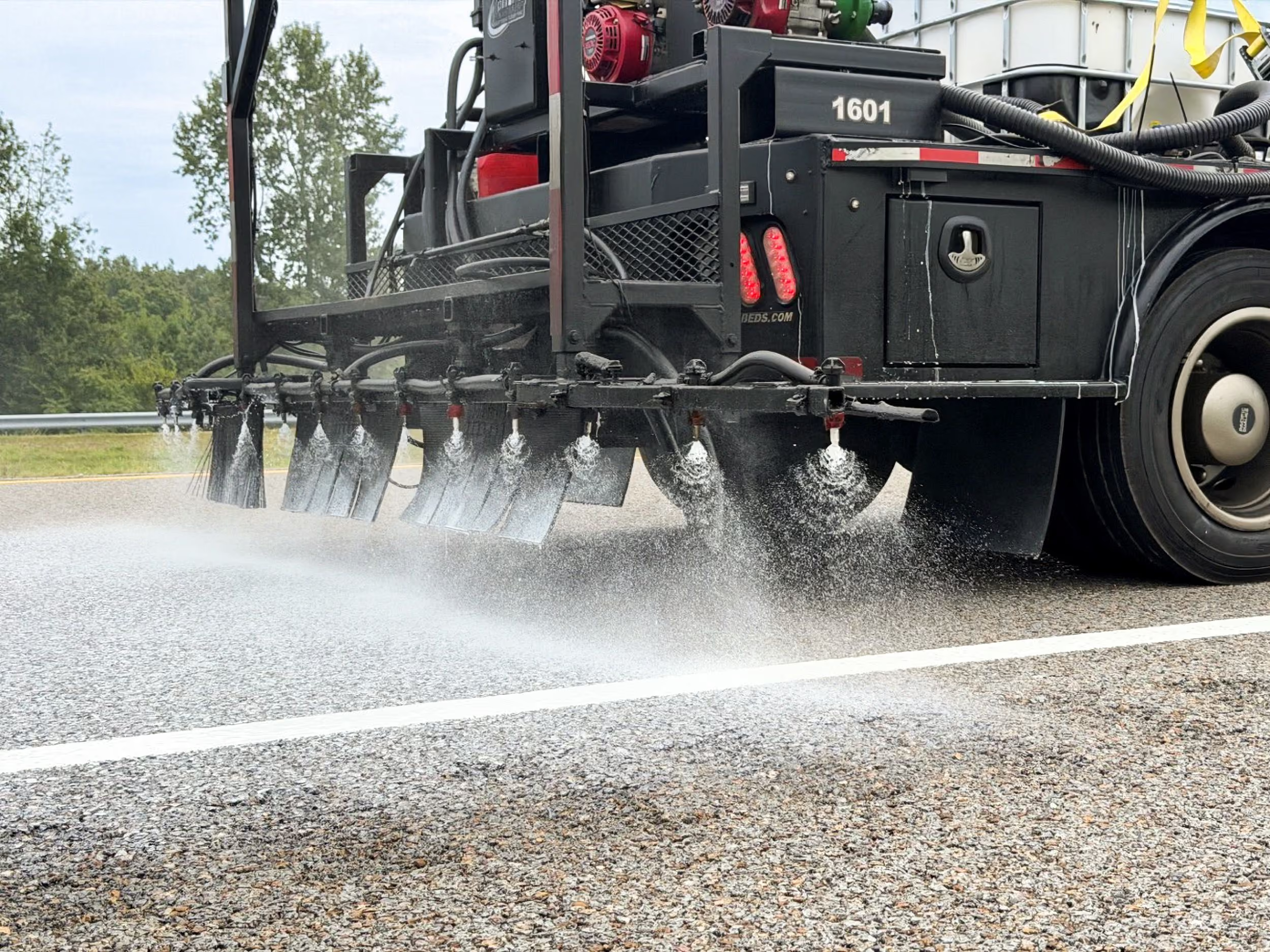
Asphalt Rejuvenators
Rejuvenators are a spray-applied treatment for structurally sound asphalt that is beginning to show signs of oxidation. It penetrates the pavement surface to help restore binder flexibility, improve cohesion, and slow early cracking and raveling.
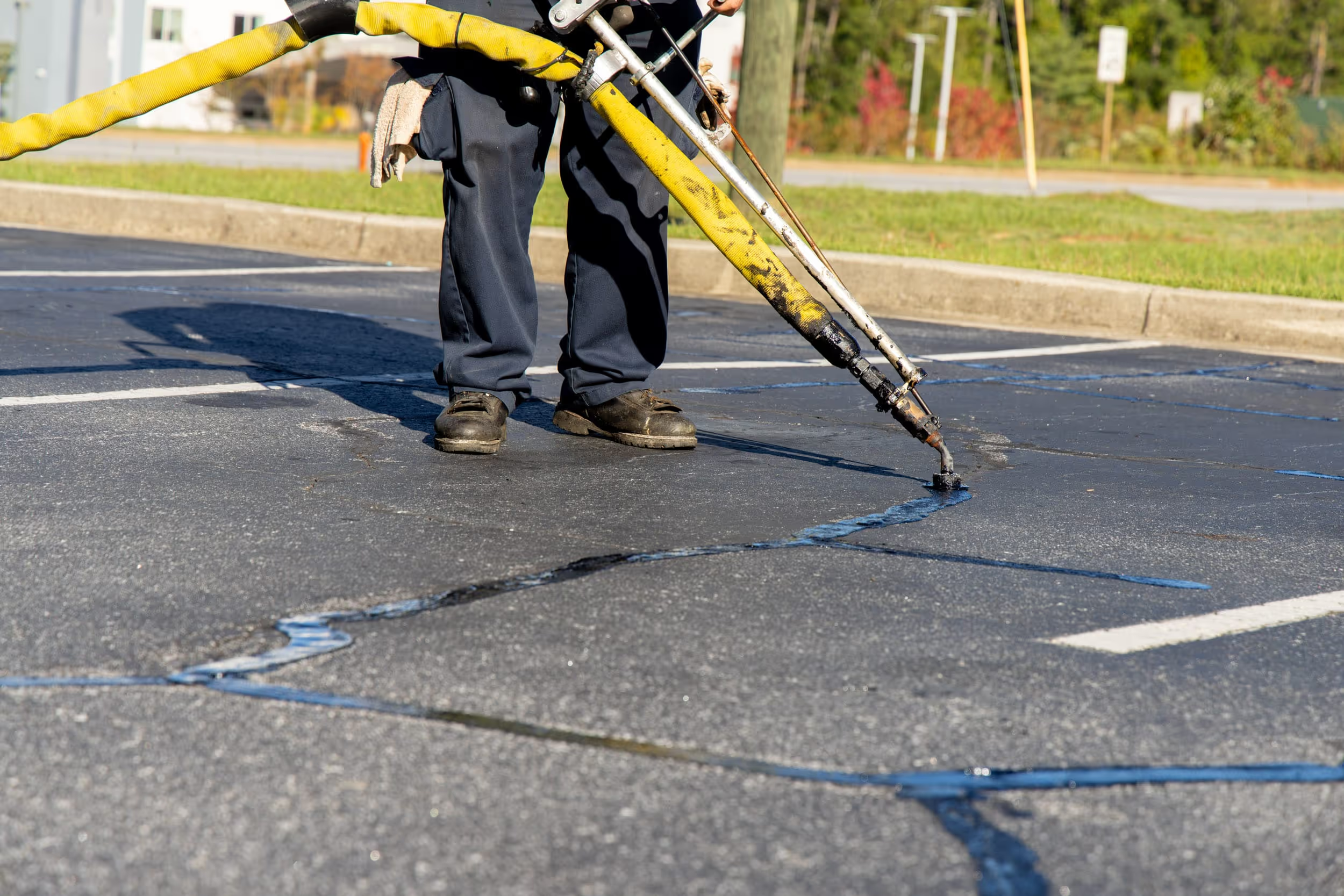
Crack Sealing
Asphalt crack sealing protects structurally sound pavement by closing cracks before water and debris can enter. Cracks are cleaned and filled with a flexible, hot-applied sealant that moves with the pavement as temperatures change.
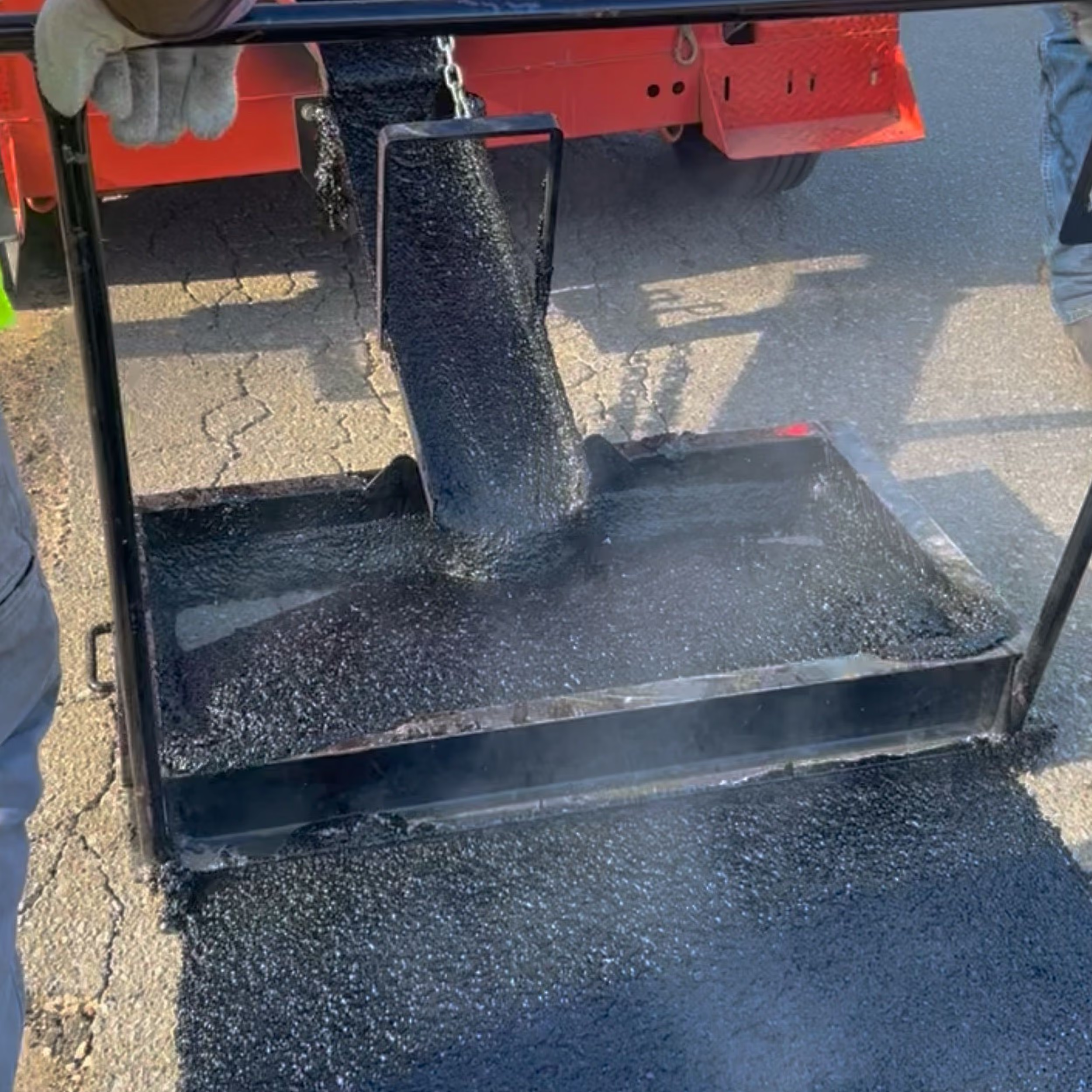
Mastic Repair
Mastics use a mixture of polymer-modified asphalt and aggregate to seal cracks that are too wide for crack sealing but too narrow for traditional patching materials.
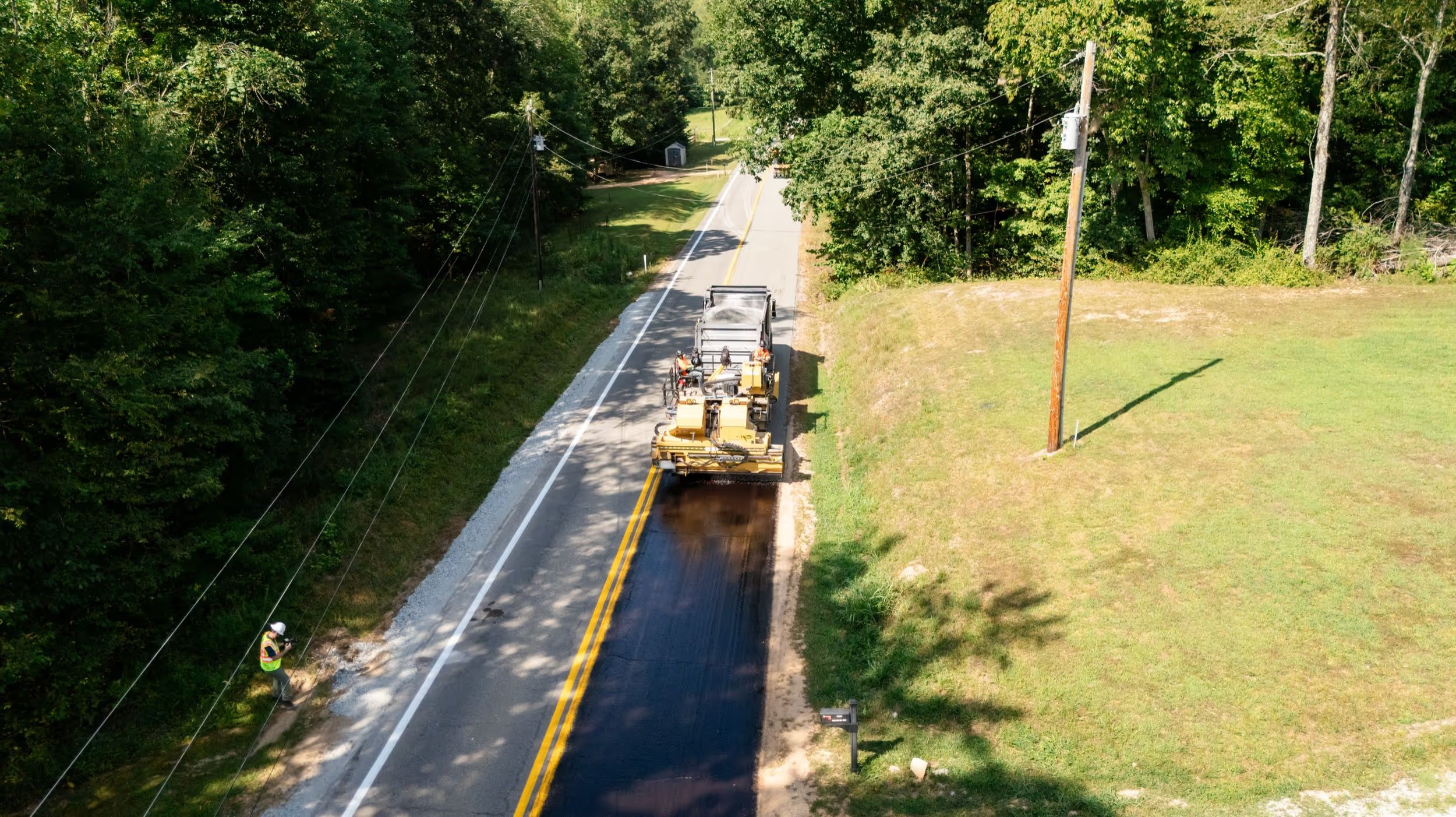
Chip Seal
Chip seal combines a spray-applied asphalt binder with a layer of aggregate that is rolled into place. The treatment seals the pavement surface, restores texture, and creates a new wearing layer without a full asphalt overlay.
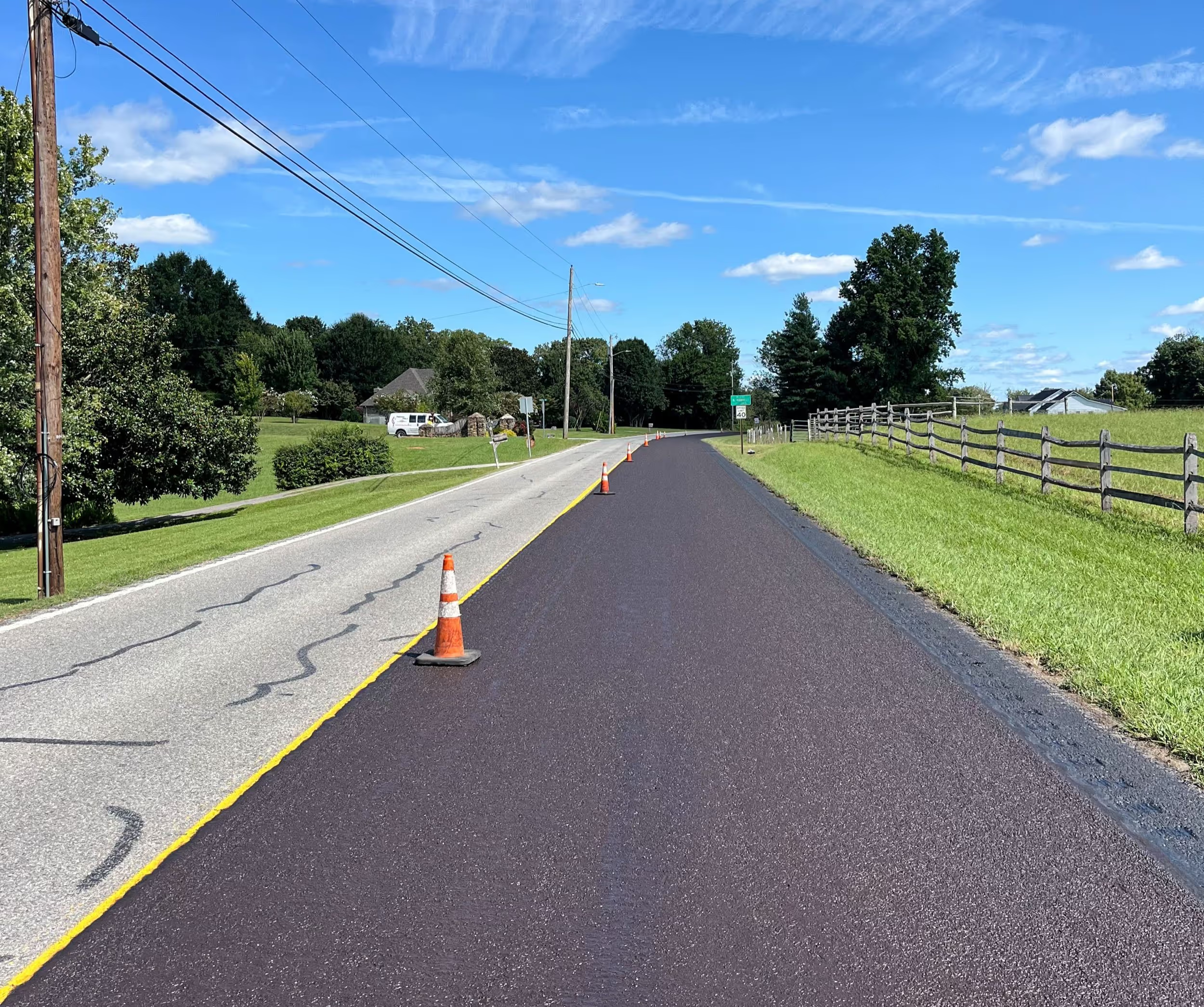
Micro Surfacing
Micro surfacing applies a mixture of polymer-modified asphalt emulsion, graded aggregate, water, and additives to create a new wearing surface. It helps restore pavement texture, correct minor surface irregularities, and protect the pavement below.
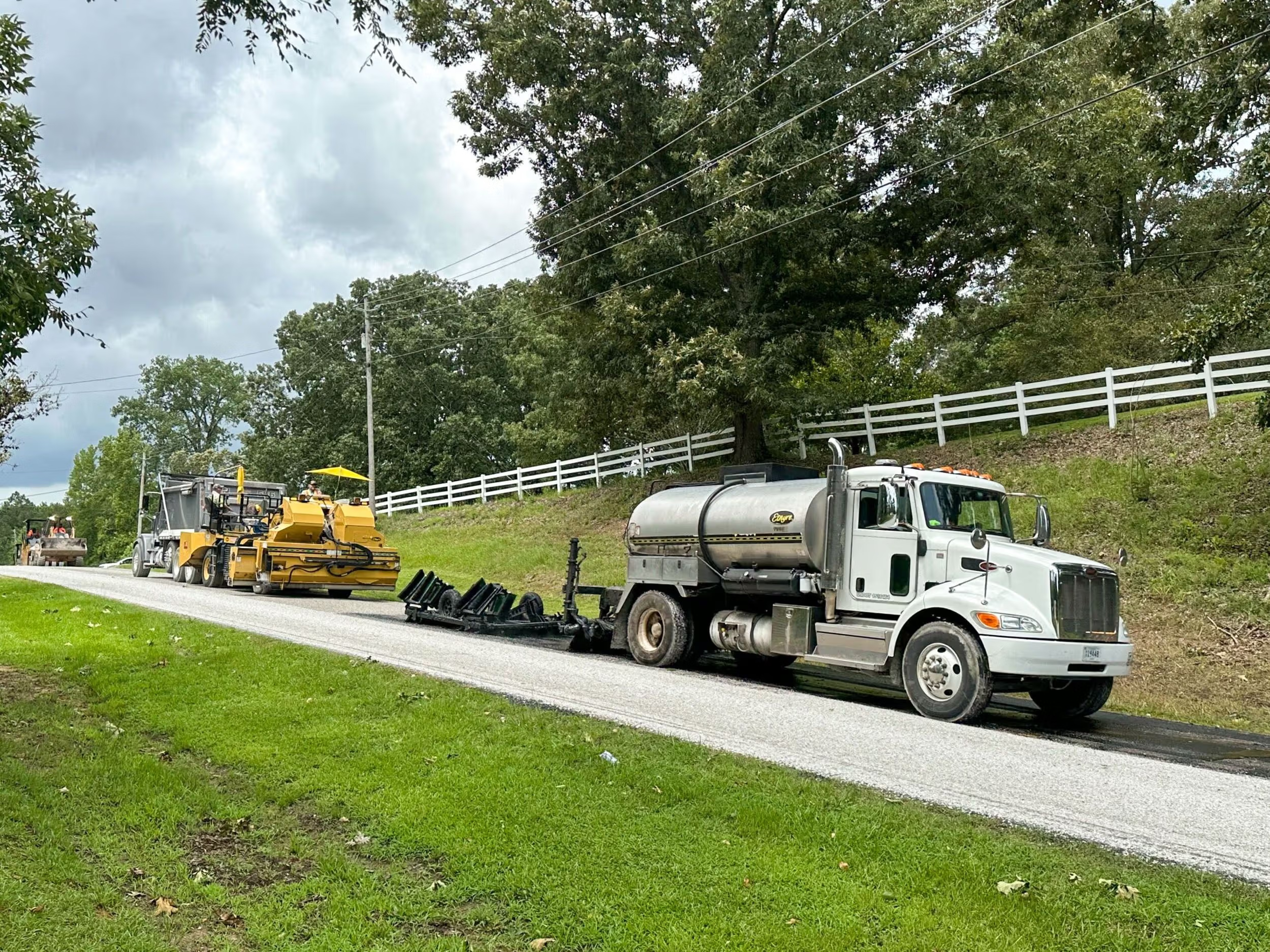
Scrub Seal
A scrub seal uses specialized brooms to work asphalt emulsion into cracks and surface voids before aggregate is applied and rolled into place. This process helps seal widespread cracking and limit water intrusion.
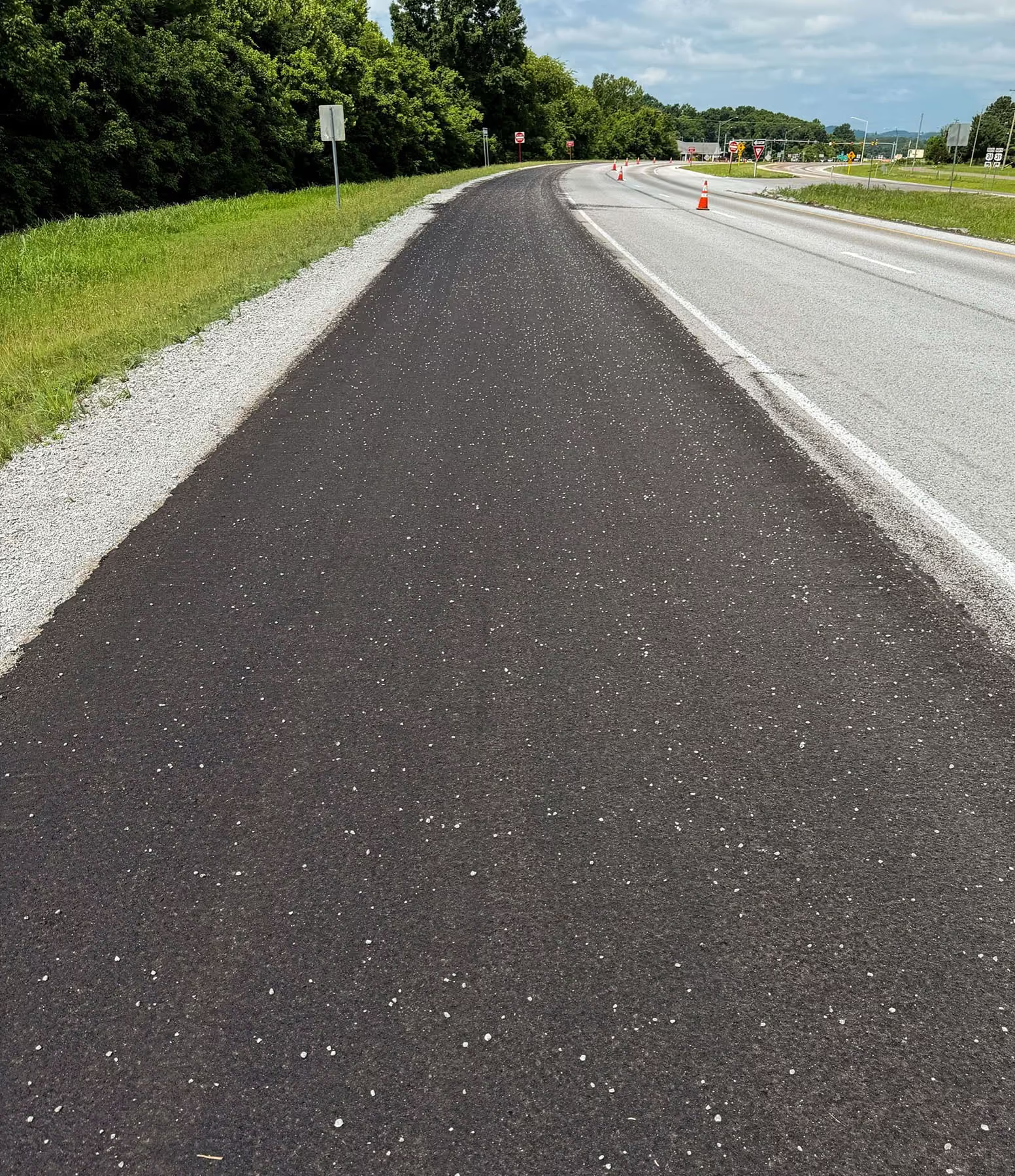
Cape Seal
A Cape Seal combines a chip seal with a micro surfacing layer. The chip seal provides a sealed aggregate base, while the micro surfacing locks in the stone and creates a smoother, more uniform wearing surface.
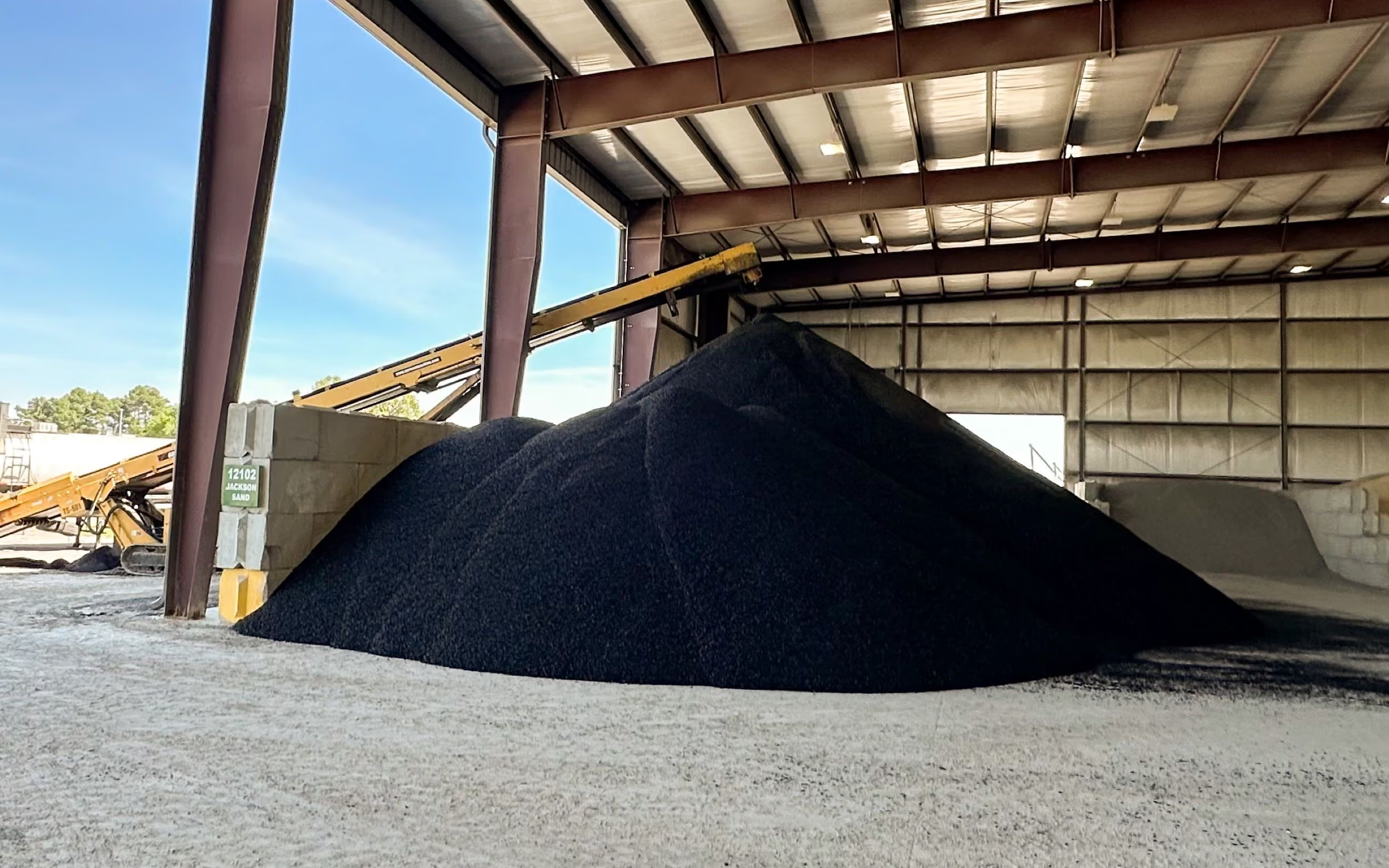
Cold-Mix Asphalt
Cold-mix asphalt is a ready-to-use material for potholes, utility cuts, and other localized pavement repairs. It can be placed without heating, allowing crews to make timely repairs in a range of conditions.
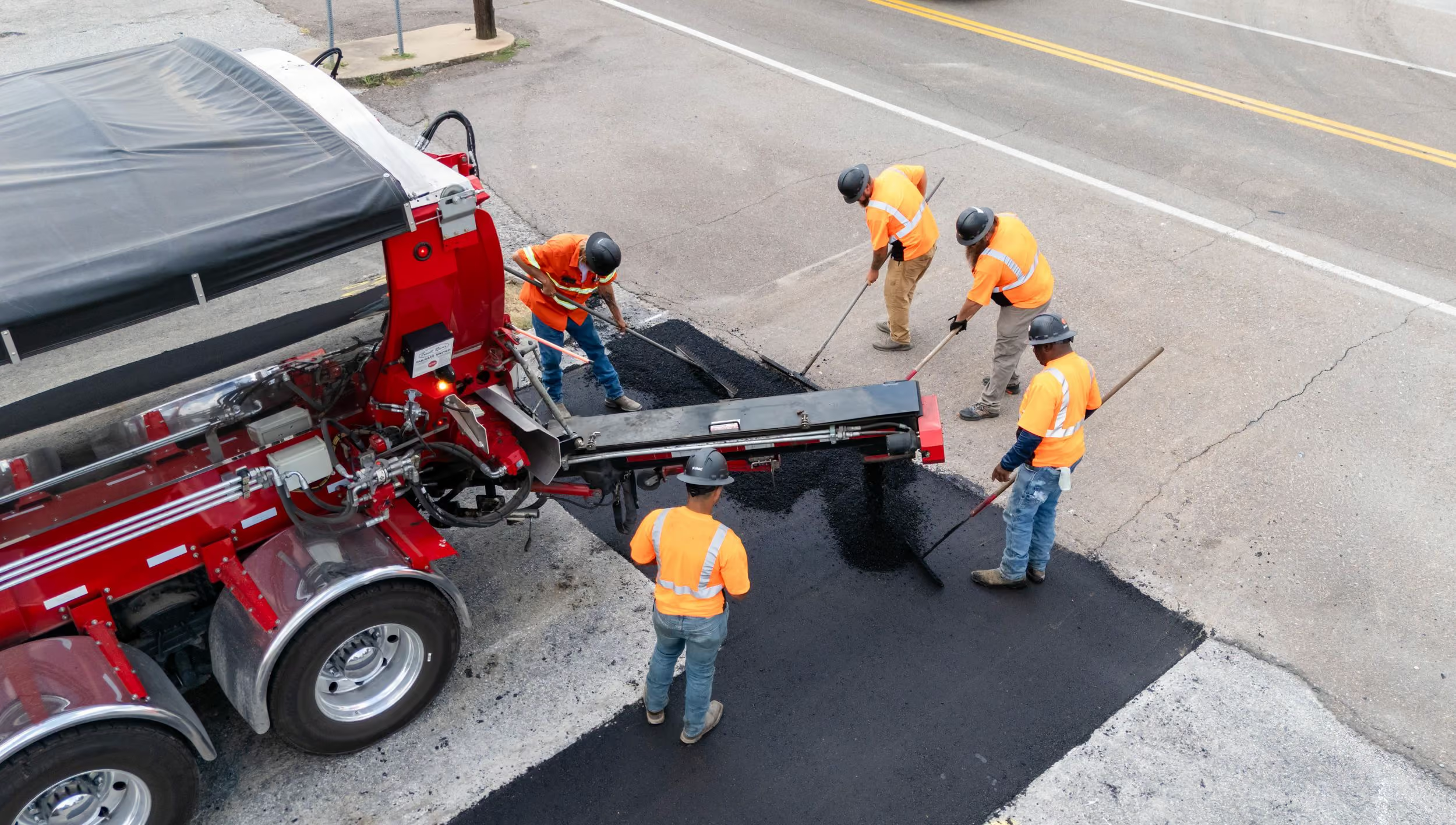
Pothole & Pavement Repair
On-site pothole patching and pavement repair provide added support when the work becomes too demanding or costly to complete in-house. Repairs also address utility cuts and other localized needs while matching existing surfaces and minimizing disruption.
Infrared Asphalt Repair
Infrared heaters warm existing asphalt to a workable temperature, eliminating joints in the asphalt patch. Fresh asphalt mix is added and worked in to construct a more permanent repair. Rejuvenators can also be incorporated to revitalize the adjacent existing asphalt.
Let’s Talk Pavements
Planning a preservation project, requesting asphalt materials, or preparing a bid? Share what you know about the location, pavement condition, quantities, specifications, and schedule. We will connect you with the right person to discuss fit, availability, and next steps.